

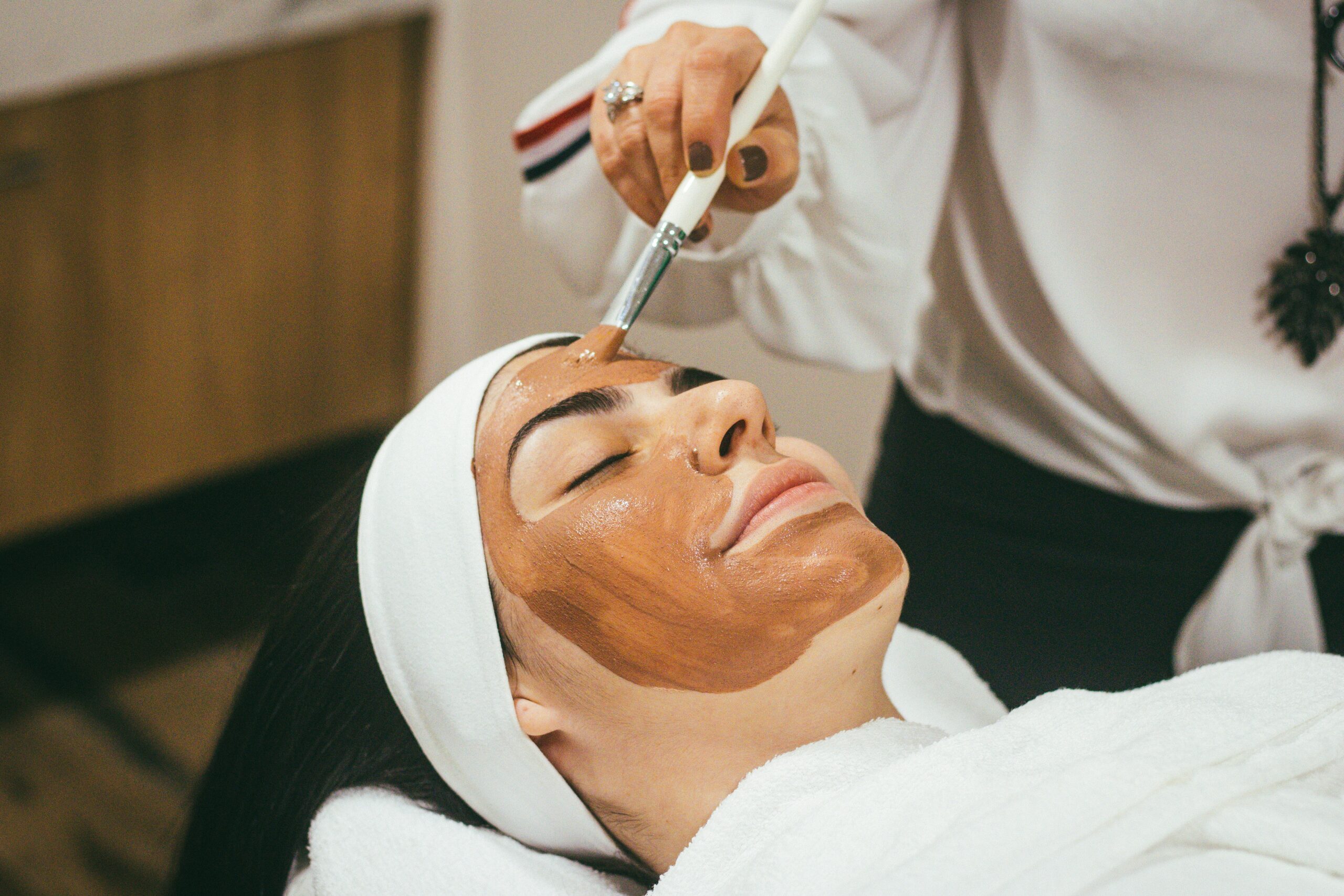
The global wellness economy is experiencing an unprecedented structural transformation as high-net-worth individuals and institutional investors pivot from traditional hospitality models toward the highly lucrative sector of medical-grade wellness infrastructure. This shift is characterized by the exponential demand for clinical biohacking spa suites, which combine advanced therapeutic technologies with elite luxury hospitality to offer bespoke, data-driven longevity interventions.
As traditional healthcare frameworks face increasing scrutiny and consumers prioritize preventative medical care, these advanced clinical facilities function as critical physical assets capable of generating substantial, multi-layered revenue streams for forward-thinking commercial real estate developers. This intricate process involves more than just installing high-end therapy equipment; it requires the development of a seamless, highly regulated operational ecosystem where clinical precision meets premium guest comfort, from the initial architectural layout to real-time biomedical monitoring.
Institutional stakeholders are increasingly allocating capital toward the specialized infrastructure required to house therapies like hyperbaric oxygen chambers, full-body cryotherapy systems, and cellular-level intravenous therapies, recognizing that these modalities offer a unique defense against changing consumer habits.
Furthermore, the integration of detailed biometric testing and personalized metabolic profiling has transformed these facilities into high-performance longevity hubs that attract premium, long-term corporate clients and high-paying diagnostic guests. Successfully navigating this complex market demands a granular understanding of localized medical licensing laws, specifically regarding cross-border healthcare compliance and international wellness quality standards.
To maintain a strict competitive edge, financial stakeholders must design facilities that are both rigid enough to protect patient safety and flexible enough to adopt emerging longevity technologies as they reach the market. Mastering these technical requirements is the definitive hallmark of a modern commercial real estate developer who views wellness not merely as an amenity, but as an institutional asset class to be meticulously scaled for multi-generational wealth preservation.
This extensive analysis explores the elite engineering parameters, capital expenditure requirements, and operational strategies currently driving the multi-billion dollar industry dedicated to premium longevity infrastructure.
A. Capital Architecture and Investment Parameters

Deploying a clinical-grade biohacking infrastructure requires a highly structured approach to capital allocation and facility design.
Elite investment groups prioritize the development of multi-room wellness suites that offer specialized treatments under one cohesive operational model.
By balancing high initial development costs with long-term membership structures, investors can achieve rapid profitability and consistent cash flows.
-
Advanced Technological Procurement: Investing in certified medical-grade longevity equipment to guarantee therapeutic results and client safety.
-
Specialized Facility Architecture: Designing acoustic, thermal, and electromagnetic shields to optimize the physical environment of every therapy suite.
-
Recurring Membership Models: Constructing tiered subscription tiers that provide high-net-worth individuals with continuous access to diagnostic medical services.
B. Hyperbaric Oxygen Therapy Chamber Integration
Hyperbaric Oxygen Therapy (HBOT) represents one of the highest-revenue modalities within a premium clinical biohacking suite.
These systems require specialized pressurized chambers that deliver pure oxygen at levels above normal atmospheric pressure to accelerate tissue repair.
Integrating industrial-grade HBOT systems demands strict adherence to gas safety standards and advanced ventilation engineering protocols.
-
Hard-Shell Pressurized Vessels: Utilizing medical-grade steel and acrylic chambers capable of reaching multi-atmospheric pressure levels safely.
-
Automated Oxygen Delivery Systems: Implementing precise regulatory valves that monitor gas concentration and pressure adjustments in real time.
-
Environmental Control Units: Maintaining optimal temperature and humidity levels inside the chamber to ensure maximum patient comfort.
C. Whole-Body Cryotherapy Infrastructure Engineering
Cryotherapy suites utilize extreme sub-zero temperatures to trigger systemic anti-inflammatory responses and metabolic activation.
Modern facility design favors electric, nitrogen-free cryo-chambers to ensure absolute safety and eliminate the risks associated with gas asphyxiation.
These systems rely on heavy-duty commercial cooling compressors that require dedicated electrical infrastructure and robust thermal insulation.
-
Multi-Zone Cooling Systems: Constructing pre-cooling chambers that gradually drop temperatures to protect the client’s cardiovascular system.
-
Advanced Thermal Insulation Layers: Utilizing aerospace-grade polyurethane panels to prevent thermal transfer and reduce operational electricity costs.
-
Continuous Biometric Monitoring: Embedding thermal imaging cameras into the chamber walls to track structural skin temperature drops instantly.
D. Cellular Intravenous and Photobiomodulation Suites
Intravenous (IV) micronutrient therapy and Photobiomodulation (PBM) panels form the core of daily micro-treatments in a premium spa suite.
PBM chambers utilize specific wavelengths of red and near-infrared light to stimulate cellular adenosine triphosphate production within the mitochondria.
The design of these suites must prioritize sterile clinical conditions while maintaining the atmosphere of a luxury resort lounge.
-
Medical-Grade Sterilization Systems: Installing laminar flow hoods and HEPA filtration units to maintain absolute air purity during IV preparation.
-
High-Density LED Arrays: Deploying custom light panels that deliver precise irradiance levels across the entire body surface simultaneously.
-
Ergonomic Infusion Lounges: Incorporating biometric tracking chairs that adjust position to optimize blood flow during therapeutic treatments.
E. Advanced Biometric Diagnostics and Predictive Labs
The modern biohacking consumer demands empirical evidence that their longevity investments are producing concrete physiological results.
Premium suites incorporate on-site diagnostic laboratories capable of running advanced blood panels, genetic testing, and cellular age analysis.
These diagnostic capabilities allow medical staff to build highly accurate health baselines and monitor micro-changes over long-term treatment cycles.
-
Epigenetic Aging Analysis: Utilizing advanced genetic screening to measure DNA methylation patterns and determine a client’s biological age.
-
Metabolic Activity Testing: Deploying metabolic carts that measure gas exchange to optimize nutritional and lifestyle recommendations.
-
Continuous Wearable Integration: Syncing data from medical-grade smart rings and continuous glucose monitors into a centralized patient database.
F. Neuro-Acoustic and Sound-Healed Recovery Spaces
Mental restoration and nervous system regulation are vital components of a comprehensive clinical wellness framework.
Neuro-acoustic suites combine precise sound frequencies with electromagnetic field therapy to guide the brain into deep meditative states.
These rooms require meticulous acoustic isolation to block external structural vibrations and create a truly immersive sensory experience.
-
Active Acoustic Isolation: Installing specialized double-wall dampening systems to eliminate low-frequency noise from surrounding mechanical equipment.
-
Pulsed Electromagnetic Field Therapy: Embedding magnetic coils into recovery tables to stimulate cellular repair during acoustic sessions.
-
Biometric Feedback Visuals: Utilizing closed-loop lighting systems that change color intensity based on the client’s real-time heart rate variability.
G. Regulatory Compliance and Clinical Risk Mitigation
Operating a clinical wellness facility involves navigating complex legal frameworks regarding medical licensing and patient data security.
Investors must ensure that all treatments are supervised by licensed medical professionals to maintain corporate insurance validity.
Furthermore, the digital infrastructure must protect sensitive health records from unauthorized cyber-threats through advanced encryption.
-
Cross-Border Medical Licensing: Aligning operational protocols with local medical boards to ensure all advanced therapies remain legally compliant.
-
Encrypted Health Data Storage: Implementing secure cloud environments that meet international standards for the protection of personal health records.
-
Proactive Emergency Protocols: Equipping every therapy room with automated shutdown triggers and real-time oxygen sensors for patient safety.
H. Luxury Hospitality Operations and Guest Experience
The success of a high-value longevity investment relies heavily on the quality of the hospitality experience provided to the guests.
Elite suites deploy personalized wellness concierges who coordinate every aspect of a visitor’s stay, from custom nutrition to treatment timing.
By blending clinical precision with premium resort management, facilities can justify high premium prices and drive strong loyalty.
-
Bespoke Nutritional Catering: Designing custom meal plans that match the specific metabolic data gathered during laboratory testing.
-
Integrated Scheduling Algorithms: Utilizing software to coordinate treatment transitions and eliminate waiting times between therapy sessions.
-
Premium Brand Alignment: Partnering with luxury skincare and longevity product manufacturers to increase secondary retail revenue.
I. Sustainable Energy and Mechanical Engineering
Clinical biohacking equipment consumes significant amounts of electricity and generates massive thermal loads that must be managed efficiently.
Sustainable design requires the installation of advanced heat-recovery ventilation systems to capture waste heat and repurpose it for water heating.
By investing in renewable energy sources, facility developers can significantly lower operational overhead and meet modern corporate ESG targets.
-
Heat-Recovery HVAC Units: Redirecting the thermal energy produced by cryotherapy compressors to heat facility pools and showers.
-
Smart Grid Energy Storage: Installing industrial battery systems that store electricity during off-peak hours to reduce peak energy costs.
-
Water Reclamation Protocols: Implementing multi-stage filtration systems to recycle water used in cooling towers and hydrotherapy pools safely.
J. Future Longevity Modalities and Scalability
The field of clinical biohacking is evolving rapidly, requiring investment structures that can adapt to future technological breakthroughs.
Forward-thinking developers design modular utility channels within walls to allow for the rapid installation of future therapeutic devices.
By maintaining a flexible infrastructure, commercial properties can upgrade their offerings without undergoing expensive structural renovations.
-
Modular Utility Infrastructure: Pre-installing flexible conduits for electricity, gas, and data lines to support future technology updates.
-
Stem Cell Therapy Preparation Spaces: Designing clean rooms that meet the high laboratory standards required for future cellular therapies.
-
Artificial Intelligence Health Planners: Developing algorithms that analyze global patient data to optimize treatment combinations automatically.
Understanding the Metrics of Longevity Real Estate
The integration of clinical wellness into commercial property represents a permanent shift in modern asset valuation.
Properties that offer advanced health infrastructure command a significant premium over traditional luxury commercial spaces.
The value of a facility is directly tied to the technical efficacy and safety of its installed therapeutic systems.
Strategic capital allocation allows investors to target the most profitable consumer demographics in the global economy.
Success depends on building a seamless bridge between rigorous medical science and elite luxury hospitality management.
Every square meter of a biohacking suite must be designed to optimize both therapeutic output and operational efficiency.
The demand for high-end preventative care is expanding rapidly among corporate executives and generational wealth holders.
We are moving toward a future where personal health infrastructure is the ultimate metric of luxury real estate development.
Executing Advanced Longevity Asset Management
Designing a premium clinical spa suite demands a bold commitment to long-term engineering and operational excellence.
We must prioritize the deployment of certified, non-experimental technologies to secure institutional trust and investor safety.
The alignment of diagnostic testing with personalized therapy is the core driver of patient retention and long-term value.
Human medical oversight remains the vital anchor that ensures all autonomous systems remain legally and ethically sound.
Innovation in the field of clinical biohacking is the primary engine of growth for the modern hospitality industry.
Every developer has an obligation to build spaces that protect patient data while maximizing physical recovery profiles.
The scale of the global wellness economy requires a multidisciplinary approach combining medicine, engineering, and hospitality.
A commitment to building high-performance longevity suites is a commitment to the long-term stability of commercial property portfolios.
Navigating the Landscape of Institutional Wellness Assets
The boundary between traditional healthcare facilities and luxury relaxation resorts is disappearing in the premium market.
The ability to manage a global network of clinical spa suites is the new hallmark of an elite property strategist.
We are committed to the pursuit of absolute precision in the design and execution of longevity infrastructure frameworks.
The complexity of modern medical equipment demands a more intelligent and proactive approach to facility facility management.
Let us construct the resilient and highly efficient spaces that will define the next century of commercial real estate.
Success is measured by the ability to generate consistent returns while significantly improving the healthspan of our global clientele.
The journey toward a healthier society is a collective effort that requires both technical brilliance and strategic asset placement.
The ultimate goal of clinical biohacking is to empower individuals to achieve optimal physical performance throughout their entire lives.
Conclusion

Premium clinical biohacking spa suites represent the definitive future of high-yield institutional wellness and commercial real estate development. Capital architecture models must balance advanced technological procurement with recurring subscription tiers to ensure rapid and sustainable profitability. Hyperbaric oxygen therapy chambers deliver high profit margins but require strict adherence to medical gas engineering and ventilation standards. Cryotherapy systems must utilize nitrogen-free, multi-zone cooling technologies to guarantee patient safety and minimize long-term operational costs.
Intravenous therapy and photobiomodulation suites require a flawless integration of sterile clinical environments and luxury lounge aesthetics. Advanced biometric diagnostic laboratories provide the essential baseline data needed to personalize treatments and verify physiological results. Regulatory compliance frameworks demand expert legal alignment with local medical boards and the deployment of encrypted data security systems.
Luxury hospitality operations ensure high customer retention rates by providing customized nutrition and seamless treatment transitions. Sustainable mechanical engineering utilizing heat-recovery ventilation systems is essential for minimizing the high energy costs of biohacking equipment. Ultimately, designing modular and flexible property infrastructures ensures that clinical wellness assets can seamlessly integrate future longevity breakthroughs.

